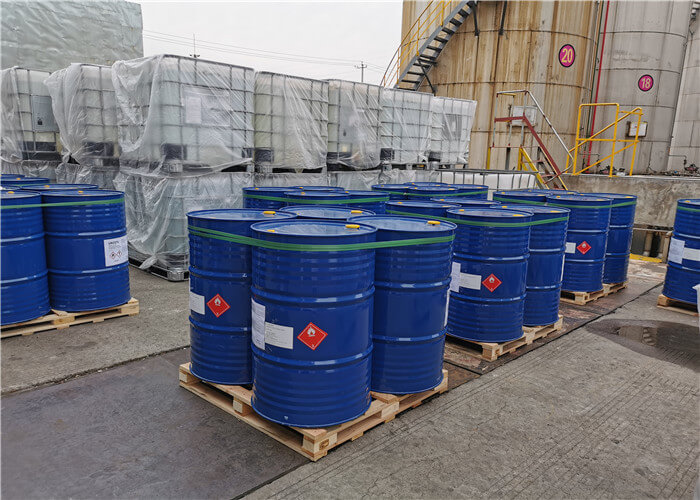
The chemical industry is in the midst of a sustainability-driven transformation, reimagining the materials and processes that define modern manufacturing. One of the standout innovations leading this change is Methylcyclohexane (MCH) — a high-performance, non-aromatic aliphatic solvent that has become indispensable in polymer, paint, rubber, and adhesive production.
As industries move away from hazardous aromatic solvents such as toluene and xylene, MCH is emerging as a safer, cleaner, and more efficient choice for high-demand applications. It not only enhances product quality but also aligns with environmental and occupational safety standards, making it a true next-generation chemical.
Astrea Energy LLC, a leading industrial chemical manufacturer, is proud to produce and supply high-purity Methylcyclohexane that supports sustainable growth across sectors — from coatings and polymers to the rubber industry and water treatment applications.
Understanding Methylcyclohexane (MCH): The Science of Performance
Methylcyclohexane (MCH) is a saturated alicyclic hydrocarbon derived from cyclohexane through a methyl substitution. This small structural change provides significant advantages in solvent performance, thermal stability, and environmental safety.
Unlike aromatic hydrocarbons, MCH is non-toxic, non-aromatic, and low in volatility, making it an ideal solvent for industries focused on cleaner production processes.
Key Chemical Features of MCH:
-
Molecular Formula: C₇H₁₄
-
Boiling Point: ~101°C
-
Density: 0.77 g/cm³
-
Structure: Saturated aliphatic ring with a methyl group
-
Flash Point: ~−3°C (closed cup)
These properties give MCH its superior ability to dissolve nonpolar compounds such as resins, polymers, and elastomers, while ensuring fast evaporation and minimal residue — crucial characteristics in paint and polymer manufacturing.
Why Aliphatic Solvents Like MCH Are Changing the Game
For decades, aromatic solvents dominated industrial chemistry because of their strong solvency power. However, environmental regulations and safety concerns have driven industries to adopt aliphatic solvents, which offer comparable performance with reduced ecological impact.
MCH, as a premium aliphatic solvent, provides the best of both worlds:
-
High solubility for polymers, rubbers, and resins.
-
Low toxicity and odor for better workplace safety.
-
Reduced VOC emissions compared to toluene or xylene.
-
Excellent stability in high-temperature and reactive processes.
For the paint, polymer, and rubber industries, this balance of performance and sustainability makes MCH a cornerstone of modern industrial chemistry.
MCH in Polymer Manufacturing: The Backbone of Modern Materials
Polymers are the foundation of countless products — from plastics and packaging to textiles and coatings. The polymerization process demands precise solvent performance to achieve the right viscosity, reaction rate, and purity.
Methylcyclohexane plays a vital role in:
-
Monomer Dissolution: It dissolves monomers like styrene and ethylene, enabling consistent polymer chain formation.
-
Thermal Stability: Its high boiling point supports stable polymerization at elevated temperatures.
-
Purity Control: With low aromatic content, MCH prevents contamination, ensuring clear, high-quality polymers.
Many chemical manufacturing companies now use MCH in place of hexane or toluene for polymerization reactions to achieve safer, more sustainable outcomes.
MCH in Paint and Coating Formulations
In the paint industry, solvent choice directly impacts finish quality, drying time, and environmental compliance. Methylcyclohexane (MCH) is widely used as a carrier solvent in high-performance paints and coatings for automotive, industrial, and architectural applications.
Key Benefits of MCH in Paints:
-
Smooth Film Formation: Enables even pigment dispersion and controlled drying.
-
VOC Reduction: Complies with EPA and REACH low-emission standards.
-
Improved Durability: Ensures a stable, glossy finish resistant to weathering and chemical exposure.
-
Reduced Odor: Makes manufacturing environments safer and more comfortable.
Leading chemical supply companies now incorporate MCH-based formulations to achieve both superior coating quality and environmental compliance.
MCH in the Rubber and Adhesives Industry
The rubber industry and adhesives sector rely heavily on solvents for compounding, blending, and application processes. Here, MCH offers unmatched compatibility and safety compared to traditional aromatic solvents.
In Rubber Manufacturing:
-
Acts as a diluent and processing solvent for synthetic rubbers (SBR, NBR, EPDM).
-
Improves mixing uniformity and reduces viscosity during production.
-
Ensures fast and clean evaporation during vulcanization and drying.
-
Reduces odor and harmful emissions in processing facilities.
In Adhesive Formulations:
-
Enhances resin dissolution and spreadability for contact and pressure-sensitive adhesives.
-
Reduces VOCs without compromising bonding strength.
-
Ensures controlled drying and film formation, improving product reliability.
For industries producing tire compounds, rubber coatings, and adhesive sealants, Astrea Energy LLC’s MCH is a proven solution that enhances both performance and sustainability.
MCH in Water Treatment and Related Applications
While not a direct additive in potable water systems, Methylcyclohexane has indirect roles in the water industry — particularly in equipment cleaning, membrane manufacturing, and industrial water treatmentchemicals.
Applications Include:
-
Resin and Membrane Production: Used as a solvent for creating polymeric filtration membranes in advanced water purification systems.
-
Industrial Equipment Cleaning: Removes oil and hydrocarbon residues from pumps and tanks used in water treatment facilities.
-
Lubricant and Sealant Manufacturing: Plays a role in producing materials used for sealing and maintaining water pipelines.
By offering a safer solvent with lower environmental persistence, MCH helps the water industry adopt cleaner maintenance and manufacturing practices, supporting global sustainability goals.
Comparing Methylcyclohexane to Aromatic Solvents
| Property | Methylcyclohexane (MCH) | Toluene/Xylene |
|---|---|---|
| Chemical Type | Non-Aromatic Aliphatic | Aromatic |
| VOC Emissions | Low | High |
| Odor | Mild | Strong |
| Solvent Strength | High | High |
| Toxicity | Low | Moderate/High |
| Environmental Impact | Minimal | Significant |
| Use in Rubber Industry | Safe & Efficient | Restricted |
| Use in Paint/Polymer | Preferred | Declining |
This comparison demonstrates why MCH has become the preferred aliphatic solvent across industries prioritizing safety, performance, and environmental compliance.
Astrea Energy LLC: Delivering High-Purity Methylcyclohexane Globally
As one of the leading chemical companies in North America, Astrea Energy LLC specializes in producing high-purity Methylcyclohexane for the global market.
What Sets Astrea Energy Apart:
-
Domestic Manufacturing: Reduces reliance on imports and minimizes carbon emissions.
-
High-Grade Purity: Our MCH meets ASTM and industrial-grade specifications.
-
Sustainable Distribution: Bulk deliveries via railcar networks for reduced fuel use.
-
Global Access: Through Astrea Energies Europe Ltd., we serve the European and UK markets efficiently.
Astrea Energy’s focus on sustainability and quality ensures that industries — from polymers to water treatment — receive consistent, eco-friendly chemical products that meet their operational and regulatory needs.
Sustainability and Green Chemistry in Action
As the chemical industry embraces green manufacturing, solvents like MCH represent the future of eco-conscious chemistry.
Astrea Energy’s MCH solutions contribute to:
-
Reduced environmental footprint across production lines.
-
Lower air pollution through minimized VOC emissions.
-
Cleaner supply chains, emphasizing domestic production and reduced transport emissions.
Incorporating Methylcyclohexane aligns with the principles of green chemistry — replacing toxic inputs with safer alternatives and designing products for environmental efficiency.
Frequently Asked Questions (FAQs)
1. Why is Methylcyclohexane preferred over aromatic solvents in the paint industry?
Because it offers comparable solvency with lower VOC emissions, reduced odor, and improved worker safety while maintaining excellent film-forming performance.
2. Is MCH suitable for rubber processing applications?
Yes, MCH is widely used as a process solvent in the rubber industry, offering excellent solubility for rubber polymers and cleaner evaporation during curing.
3. What makes MCH an eco-friendly choice for chemical manufacturing?
It’s non-aromatic, low in VOCs, and domestically produced — reducing both direct and indirect environmental impact.
4. How does Astrea Energy ensure consistent solvent quality?
By adhering to strict ASTM standards, continuous purity monitoring, and state-of-the-art refining processes.
5. Can MCH be used in water treatment equipment maintenance?
Yes, MCH is effective for cleaning and maintaining industrial water systems and components used in water treatment and filtration industries.
Conclusion: MCH – A Versatile Solvent for the Future
From polymer and paint manufacturing to the rubber and water industries, Methylcyclohexane (MCH) has proven itself to be one of the most versatile and sustainable aliphatic solvents available today.
It supports manufacturers in achieving superior performance while reducing environmental impact — a critical balance in the era of green industrial transformation.
With its high-purity production and global reach, Astrea Energy LLC stands as a trusted chemical company leading the way toward cleaner, safer, and more efficient chemical manufacturing.
By integrating MCH solvent solutions, industries worldwide can achieve their performance targets while contributing to a cleaner planet — proving that sustainability and innovation truly go hand in hand.