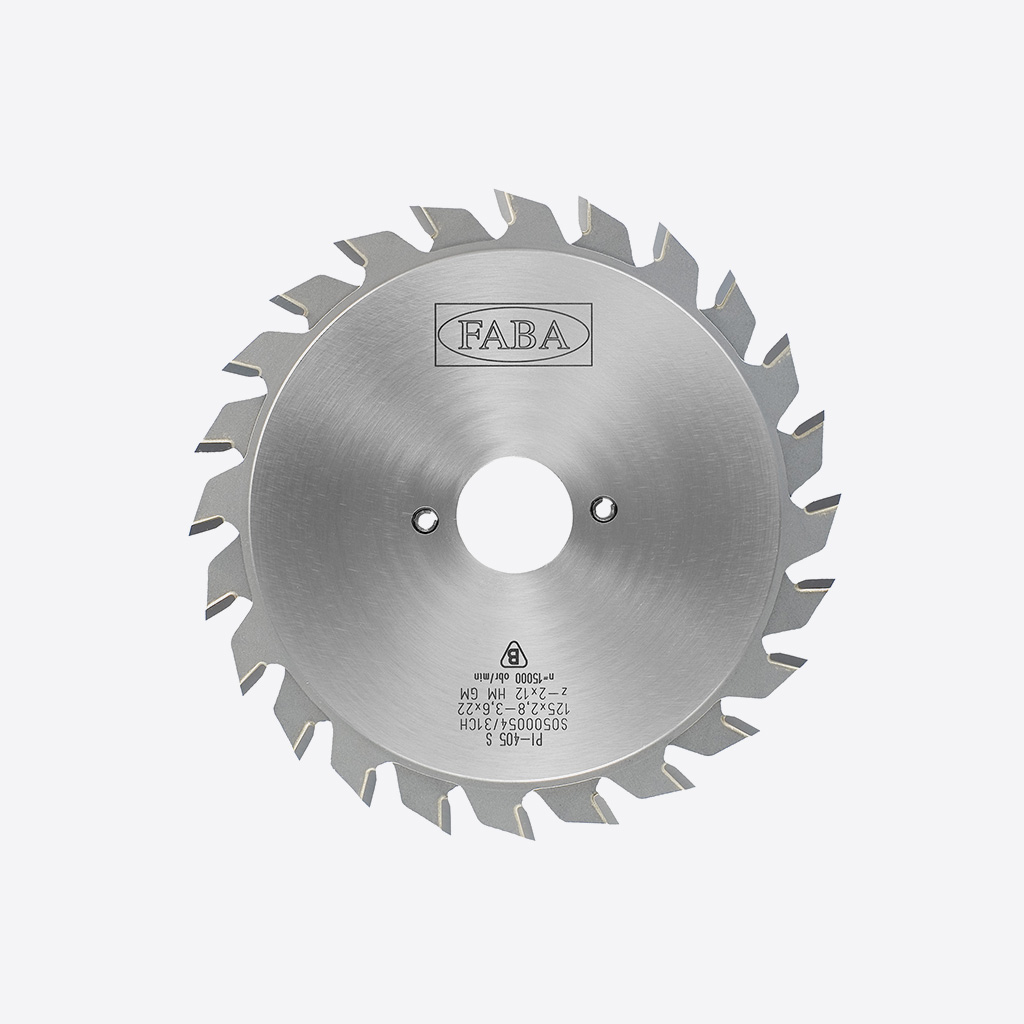
Selecting the right cutting tools is essential for achieving accurate, clean, and efficient results. Whether you are working in woodworking, metal fabrication, construction, or industrial manufacturing, using the correct circular saw blades and cutters can significantly improve productivity while reducing material waste. Many professionals and DIY enthusiasts search for reliable cutting tools that offer durability, precision, and long service life.
In this guide, we’ll explain how to choose the best circular saw blades and cutters, their applications, maintenance tips, and why investing in quality tools makes a difference in every project.
What Are Circular Saw Blades?
Circular saw blades are round cutting discs designed for use with circular saws, table saws, mitre saws, and industrial cutting machines. They are manufactured using hardened steel and often feature carbide-tipped teeth for increased durability and cutting performance.
Different blade designs are created for different materials and cutting styles. Using the correct blade improves cutting speed, minimizes chipping, and extends tool life.
What Are Cutters?
Cutters are precision tools designed to remove material from a workpiece during machining, milling, drilling, or shaping operations. They are widely used across engineering, manufacturing, construction, and fabrication industries.
Available in various shapes, sizes, and materials, cutters are designed for specific machining tasks including:
- Slot cutting
- Grooving
- Profiling
- Chamfering
- Surface finishing
- Precision shaping
High-quality cutters deliver superior accuracy while maintaining consistent performance even under demanding workloads.
How Do You Choose the Right Circular Saw Blade?
Choosing the correct blade depends on several important factors.
Material Being Cut
Different materials require different blade designs.
Examples include:
- Hardwood
- Softwood
- MDF
- Plywood
- Aluminium
- Mild steel
- Stainless steel
- Plastic
- Composite materials
Using the wrong blade may result in poor finishes, overheating, or premature wear.
Tooth Count
The number of teeth directly affects the finish quality.
- Fewer teeth provide faster, rougher cuts.
- More teeth produce smoother and cleaner finishes.
Professionals often choose blade tooth count based on production requirements and desired finish quality.
Blade Diameter
Circular saw blades come in multiple diameters to suit different saws. Always select a blade that matches your machine’s specifications.
Incorrect blade sizes may affect cutting accuracy and machine safety.
Kerf Width
Thin-kerf blades require less power and reduce material waste, making them ideal for portable saws. Standard kerf blades offer greater stability for heavy-duty industrial cutting.
Types of Circular Saw Blades
Different applications require specialized blade designs.
Wood Cutting Blades
Designed for fast and clean cutting of hardwood, softwood, plywood, MDF, and timber products.
Metal Cutting Blades
Engineered with carbide teeth capable of cutting steel, aluminium, copper, and non-ferrous metals.
Multi-Purpose Blades
Suitable for contractors who frequently switch between different materials without changing blades repeatedly.
Fine Finish Blades
Ideal for cabinetry, furniture making, laminates, and decorative woodworking where smooth edges are essential.
Rip Cut Blades
Designed specifically for cutting along the grain of timber, providing faster feed rates.
Common Types of Industrial Cutters
Industrial cutting applications require specialized cutters for different machining operations.
Popular cutter types include:
- End Mills
- Slot Drills
- T-Slot Cutters
- Face Mills
- Chamfer Cutters
- Side and Face Cutters
- Woodworking Cutters
- Router Cutters
- Annular Cutters
- Carbide Cutters
Each cutter is engineered for maximum precision within its intended application.
Benefits of Using Premium Circular Saw Blades and Cutters
Investing in premium-quality cutting tools offers several long-term advantages.
Improved Cutting Accuracy
Sharp, precision-engineered blades deliver straighter cuts with minimal deviation.
Longer Tool Life
Quality carbide tips and premium materials resist wear even under heavy industrial use.
Faster Productivity
Efficient cutting reduces downtime and increases production output.
Better Surface Finish
High-quality blades minimize splintering, burrs, and rough edges, reducing secondary finishing work.
Reduced Machine Stress
Sharp tools require less cutting force, placing less strain on motors and machinery.
Industries That Use Circular Saw Blades and Cutters
Professional cutting tools are used across numerous industries including:
- Construction
- Joinery
- Cabinet Manufacturing
- Furniture Production
- Engineering Workshops
- Automotive Manufacturing
- Aerospace
- Metal Fabrication
- Plastic Processing
- Sign Manufacturing
Every industry depends on precision cutting to maintain quality standards.
Tips for Extending Blade and Cutter Life
Proper maintenance ensures consistent performance and reduces replacement costs.
Keep Tools Clean
Resin, adhesive, and metal debris can accumulate on blades and cutters. Regular cleaning maintains cutting efficiency.
Store Correctly
Keep blades in dry, protected storage to prevent corrosion and accidental damage.
Avoid Overheating
Use proper feed rates and avoid forcing the blade through material.
Sharpen When Needed
Professional sharpening restores cutting performance and extends overall lifespan.
Match Tool to Material
Always use blades and cutters designed specifically for the material being processed.
Why Quality Matters
Low-quality cutting tools may appear economical initially but often wear quickly, generate poor finishes, and require frequent replacement.
Premium blades and cutters provide:
- Greater accuracy
- Reduced downtime
- Improved operator safety
- Lower operating costs
- Higher productivity
For professional workshops and industrial manufacturers, investing in reliable cutting tools is often more cost-effective over time.
Finding Reliable Circular Saw Blades and Cutters
When purchasing cutting tools, look for suppliers offering:
- High-quality carbide tooling
- Multiple blade sizes
- Industrial-grade cutters
- Expert technical advice
- Competitive pricing
- Fast delivery
- Trusted brands
- Reliable customer support
A dependable supplier helps ensure your cutting operations remain efficient and productive.
Saws and Cutting Tools Direct offers a comprehensive range of premium circular saw blades and industrial cutters suitable for woodworking, metalworking, engineering, and manufacturing applications. Professionals rely on Saws and Cutting Tools Direct for dependable cutting solutions that deliver precision, durability, and excellent value. Whether you need blades for everyday workshop use or heavy-duty industrial cutters, Saws and Cutting Tools Direct provides products designed to meet demanding performance standards.
Conclusion
Choosing the right circular saw blades and cutters plays a crucial role in achieving clean, precise, and efficient cutting results. Understanding blade types, cutter applications, tooth configurations, and maintenance practices helps improve productivity while extending tool life. Whether you’re a professional tradesperson or an industrial manufacturer, investing in high-quality cutting tools delivers better performance and long-term savings. For dependable cutting solutions, Saws and Cutting Tools Direct remains a trusted choice for professionals seeking reliable tools that perform consistently across a wide range of applications.